Snagging is the formal inspection of a finished fit-out to identify defects, incomplete work and anything that doesn't match the agreed specification, carried out before final handover while the contractor still has a clear obligation and a team on site to fix what's found. Skip it, or do it casually, and the same issues surface after move-in — at which point they're the client's problem to chase, not the contractor's obligation to close.
What actually counts as a snag
A snag is something that doesn't match the agreed drawings or specification: a paint finish with visible marks, a door that doesn't close properly, a light fitting installed slightly off from its intended position, a socket that doesn't work, a skirting board with a visible gap. It is distinct from a genuine defect in materials or structure, which is usually covered separately under warranty, and from a scope change the client is requesting after the fact, which is a variation, not a snag. Keeping these three categories separate matters, because they're resolved through different processes and confusing them slows all three down.
When to run it
A snagging inspection belongs after substantial completion — when the contractor considers the work finished — and before final handover and the last payment. Running it too early means walking through incomplete work and generating a list that's mostly "this isn't done yet" rather than genuine defects. Running it only after move-in means the contractor's site team and momentum are gone, and every fix becomes a scheduled callback rather than something closed the same week.
A room-by-room way to walk the floor
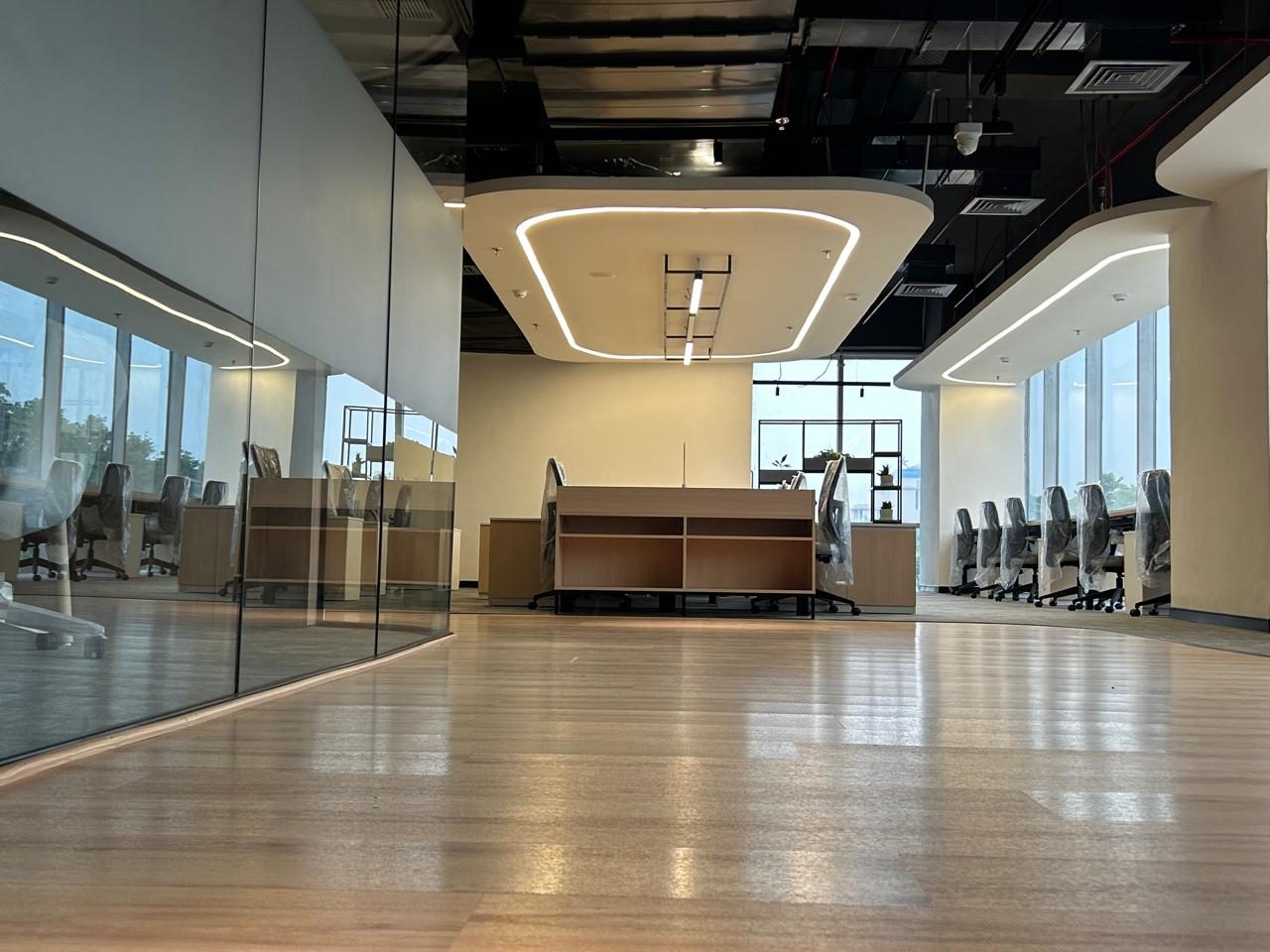
Work through the space systematically rather than wandering — reception first, then each workstation zone, then every meeting room individually, then support spaces like the pantry and washrooms, then technical rooms last. Within each room, check in a consistent order: ceiling and lighting, walls and paint finish, flooring, doors and hardware, electrical points and switches, and any furniture or fixed joinery specific to that room. This consistency is what prevents an inspection from missing a whole category of item simply because attention moved to something else in a particular room.
Who should be in the room
At minimum, someone representing the client with authority to sign off on what's acceptable, and a representative from the contractor who can commit to a closure date on the spot rather than needing to check and respond later. For larger or more technical projects, an independent third party unconnected to either side can add real value, particularly for MEP systems where a client team may not have the technical background to assess whether something is genuinely wrong.
How to track what's found
Every item needs four things recorded at the time it's found: a clear description, its exact location, a photograph, and an assigned closure date. A shared spreadsheet or a simple snagging app both work — what matters is that the list is visible to both sides in real time, not compiled afterward from separate notes that then need reconciling. This record becomes the punch list referenced in the broader handover checklist, so the two processes should use the same document, not two separate ones that need to be cross-checked later.
Planning a project like this? Officea Design & Build will prepare a costed proposal for your office, free of charge.
Snagging versus the defects liability period
Snagging and the defects liability period are related but cover different timeframes, and it's worth keeping the distinction clear. Snagging is the pre-handover inspection covered in this article — a concentrated, one-time pass to catch issues before the contractor's team demobilises. The defects liability period is a longer window afterward, typically six to twelve months, during which the contractor remains contractually obligated to fix genuine defects that surface after occupancy, separate from the punch list generated during the original snagging pass. A comprehensive snagging inspection reduces how much gets pushed into the defects liability period, but it doesn't replace it — some issues, particularly with MEP systems under real operating load, only surface once a space has been lived in for a few weeks or months.
Tools that make this easier, without needing anything specialised
A proper snagging inspection doesn't require expensive software. A shared spreadsheet with columns for item description, location, photo reference and closure date, accessible to both the client and contractor in real time, covers most of what's needed. Simple mobile snagging apps exist and can speed up photo-tagging and location-pinning for larger projects, but the underlying discipline — a systematic walkthrough, consistent categories, and a shared, live record — matters far more than which tool is used to capture it.
Areas a rushed inspection tends to miss
- Glazing and glass partition hardware, including alignment and whether doors close flush
- Skirting and junctions where two different flooring materials meet
- Electrical points behind furniture that's already been placed, which are easy to skip without moving anything
- Acoustic performance in meeting rooms — sound leakage between rooms is rarely checked properly during a purely visual walkthrough
- Signage and wayfinding, which is often installed last and inspected least carefully as a result
Snagging on larger or multi-floor projects
The same room-by-room discipline scales to a multi-floor or multi-location project, but it needs a plan for consistency across floors or sites — the same checklist categories, the same tracking format, and ideally the same person or small team running the inspection across all of them, rather than a different reviewer per floor applying a different standard of what counts as acceptable. On larger projects, it's also worth staggering the inspection across floors as each one reaches substantial completion, rather than waiting to inspect everything at once at the very end, which compresses an already time-consuming process into an unrealistic window right before a multi-floor move-in date.
Snagging against the specification, not against personal taste
A useful discipline during snagging is checking every flagged item against the actual agreed specification or drawing, not against a personal preference that emerged during the walkthrough. "This paint colour looks slightly different from what I expected" is not a snag if it matches the approved specification — it's a scope conversation that should have happened earlier, during design approval. Confusing the two slows down genuine defect resolution, since a contractor pushing back on an item that isn't actually a specification mismatch has a legitimate point, and repeatedly raising non-specification items alongside real defects makes it harder for both sides to agree quickly on the list that actually matters.
Many of the items worth checking during snagging trace back to decisions made much earlier — a floor plan that was properly checked before approval tends to produce a noticeably shorter snag list than one that wasn't.
Common questions
How long does a proper snagging inspection take?
For a typical mid-size office, a full day is realistic for a thorough room-by-room pass. Rushing this to a couple of hours is usually where items get missed.
What happens to items that aren't closed by move-in?
They carry forward into the punch list with their closure dates, and a reasonable retention against the final payment is normal practice until they're resolved — covered in more detail in our handover checklist article.
Should snagging be repeated after the punch list is closed?
A short follow-up check on the specific items that were flagged is worth doing before releasing final retention, rather than assuming a closure date was met without confirming it.
If you're approaching completion on a project and want an independent snagging pass before you sign off, get in touch and we'll set one up.
Planning an office project?
Officea Design & Build plans, designs and builds corporate offices across India under one contract. See our work or the full list of design and build services, or tell us your city, approximate area and target move-in date below and we'll prepare a costed proposal.