
Quick answer
A reinstatement clause tells you what condition the office must be in when you hand it back. Most landlords ask for one of three things: bare shell (everything you installed comes out), warm shell (your interiors come out but the landlord’s air conditioning and power backup stay), or the condition the floor was in when you took it over. The cost and time of that work fall on you, usually inside your notice period, and the security deposit is normally returned only after the landlord accepts the floor. The cheapest reinstatement is the one you negotiate at lease signing and document on the day you move in.
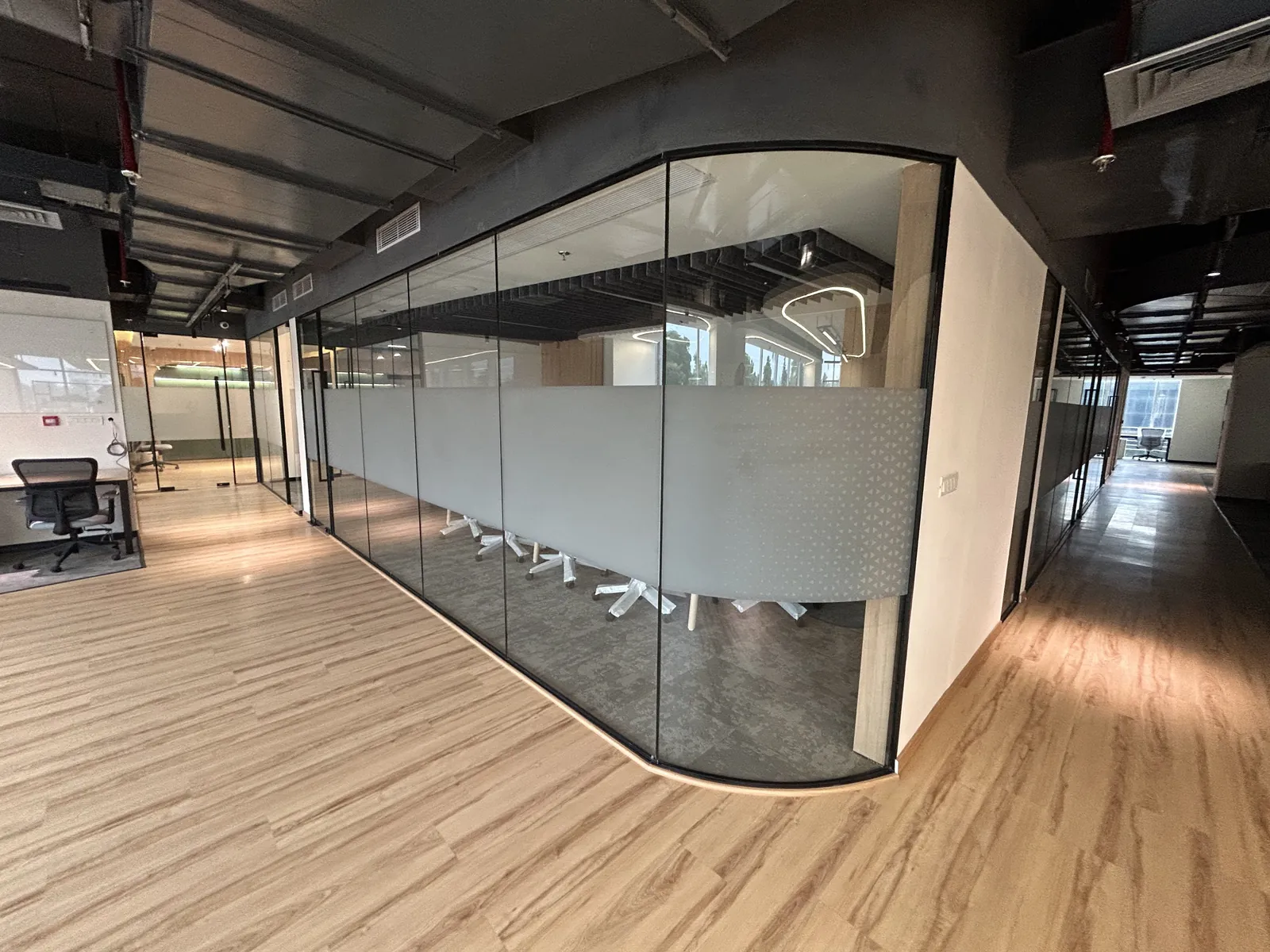
You have served notice, the new office is being planned, and then the landlord’s letter arrives: return the floor to bare shell before the deposit is released. Glass partitions, false ceilings, carpet, ducting and cabling all have to come out, and the clock is already running on your notice period. Lease-end reinstatement is one of the most often forgotten costs of leaving an office in India. This guide is for CEOs, CFOs and admin heads: what landlords typically ask for, what usually has to be removed, what to agree when you sign, and how to plan the exit so the deposit comes back on time.
This is general information, not legal advice. Your lease wording decides what applies to you, so read it with your lawyer.
What is a reinstatement clause in an office lease?
A reinstatement (or restoration) clause sets out the condition in which you must return the premises at the end of the lease, or earlier if you exit during the term. In Indian office leases and leave-and-licence agreements it usually sits near the clauses on fit-out, alterations, security deposit and handback. It answers four questions:
- The target condition: bare shell, warm shell, the condition at handover, or “as is”.
- Who does the work: you and your contractor, or the landlord at your cost.
- When it must be finished: usually before the lease end date, which means inside your notice period.
- What happens if it is not done: commonly, the landlord carries out the work and deducts the cost from the security deposit, and may charge rent or compensation for the extra time.
It matters most when you decide to renew or relocate, because it is a real cost on the “relocate” side of that decision.
Bare shell, warm shell or as handed over: which condition applies?
The words in the lease decide the scope of work. The same words can mean different things in different buildings, which is why the handover specification attached to the lease matters. Our guide to bare shell vs warm shell offices explains the terms in detail.
| Condition named in the lease | What it usually means at exit | What to check |
|---|---|---|
| Bare shell | Everything you installed comes out: partitions, ceilings, flooring, internal lighting, AC distribution, electrical and data wiring, joinery and signage. Openings and fixings are made good. | Whether services the landlord supplied up to the floor must be left capped and working, and whether floor screed and slab repairs are included |
| Warm shell | Your interiors come out, but the landlord’s centralised AC and power backup stay in place, in working order | How far the landlord’s AC was distributed when you took the floor, so you know which ducts and units are yours to remove |
| Condition at handover (“as handed over”) | The floor goes back to exactly the state recorded when you moved in, which may include some of the landlord’s fit-out | Whether that state was recorded at all. Without a signed condition record, this is the condition most likely to be argued over |
| “As is” or fit-out to remain | You can leave some or all of your interiors in place, often because the landlord or the next tenant wants them | Which items stay, whether they must be in working order, and whether this is agreed in writing |
Most leases also carve out fair wear and tear. Paint that has faded with normal use is different from a damaged floor or a cut slab, but the line between them is only clear if the lease or a condition record defines it.
What usually has to come out when you leave?
Under a bare shell or warm shell clause, this is the typical list. Your lease and the building’s fit-out manual may add to it or allow some items to stay.
| Item | Typical requirement | Watch out for |
|---|---|---|
| Partitions, glass walls, doors | Removed, with floor, wall and ceiling fixings made good | Glass partitions fixed into the slab or the landlord’s ceiling leave marks that need repair |
| False ceiling and bulkheads | Removed, along with hangers and ceiling frames | Fire detection and sprinkler heads you moved to suit the ceiling may need to go back to the landlord’s layout |
| Flooring (carpet, vinyl, tiles, raised floor) | Taken up, with the floor left clean and level | Adhesive residue and tile beds can take longer to clear than the flooring itself |
| AC ducting, indoor units, split ACs added by you | Removed, with wall and slab openings sealed | Refrigerant piping, drain lines and core cuts through walls or the facade |
| Electrical distribution, lighting, UPS wiring | Your wiring and fittings removed back to the landlord’s supply point, left safe and capped | Live isolation should be done by a licensed electrician, with the building’s permission |
| Data cabling, server room, access control | Removed, including cable trays and racks | Server room precision AC, raised floor and fire suppression are separate items |
| Pantry, plumbing, extra toilets | Fixtures removed and water and drain points capped | Floor trenches or core cuts made for drains need filling and waterproofing |
| Signage and branding | Removed from inside the premises and common areas | Lobby directory and facade signage are often handled by the landlord’s team |
| Wall finishes and paint | Walls repainted in the building standard colour | Feature walls, wallpaper and cladding add removal time |
| Loose furniture | Moved out with you or disposed of | Debris and scrap must leave by the building’s goods lift and gate-pass process |
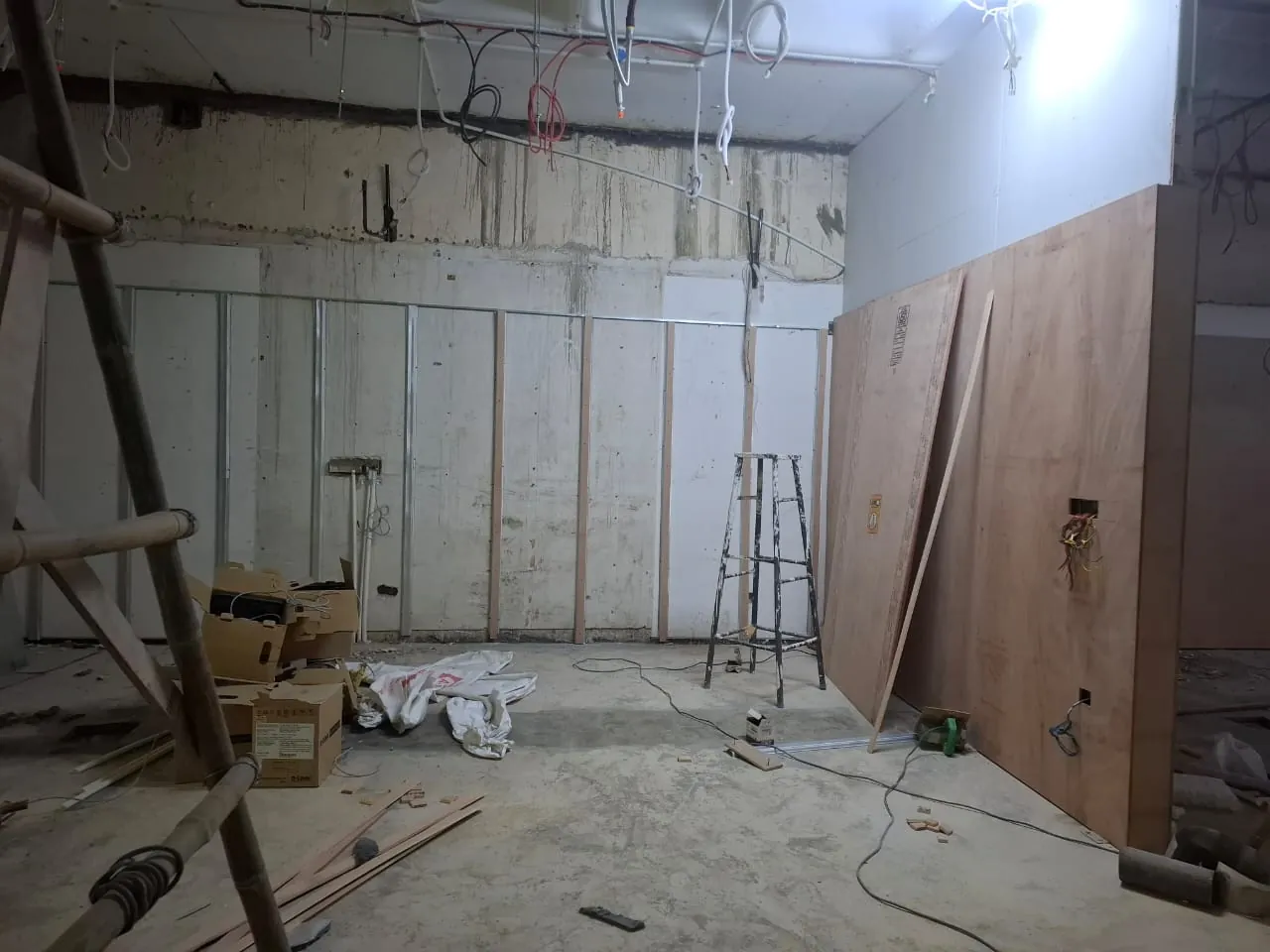
What should you negotiate when you sign the lease?
Your leverage is highest before you sign, when the landlord wants the deal. At exit, you have almost none. Points worth raising at the term sheet stage:
- Name the condition precisely. “Bare shell as per Annexure X” is clearer than “original condition”. Attach the handover specification and a dated floor plan.
- Agree which items may stay. Landlords often prefer good ceilings, lighting, washrooms or AC to remain, because they help re-let the floor. Put that list in writing.
- Ask for a landlord’s option instead of an obligation. Some leases say the landlord may ask for reinstatement by giving notice before lease end. If they do not ask, the fit-out stays.
- Agree a cash settlement option. Paying an agreed amount instead of doing the work can save time when you are moving to a new office.
- Define fair wear and tear and agree a joint inspection before the end date.
- Link the deposit refund to a date, for example within a fixed number of days of handback, with any deductions itemised.
- Get fit-out approvals in writing. Alterations the landlord approved during fit-out, such as core cuts or extra toilets, should state whether they must be reversed at exit. Our Grade A landlord fit-out approval checklist covers what to get approved.
If the landlord is funding part of your fit-out, reinstatement terms often change too. See landlord-funded fit-out vs your own fit-out for how that trade works.
How do you record the floor on the day you move in?
An “as handed over” clause is only as good as the record of what was handed over. On the day you take possession, before any fit-out work starts:
- Walk the floor with the landlord’s representative and sign a short condition schedule together.
- Take dated photos and video of every wall, the slab, ceiling soffit, columns, shafts, toilets, windows and any existing services, with a simple plan showing where each was taken.
- List existing defects such as cracks, seepage, damaged glazing and missing fittings, so they are not charged to you later.
- Record the landlord’s services: AC capacity and how far it reaches, power backup load, fire detection and sprinkler layout, and the supply points for electricity and water.
- Keep as-built drawings of your fit-out when it is complete. They show exactly what you added, which makes the exit scope easy to define. Our office handover checklist lists the drawings and documents to ask your contractor for.
When should reinstatement happen within your notice period?
Reinstatement usually has to finish before the lease ends, and you are still paying rent while it happens. That means it has to fit into the notice period alongside the move to your new office. A practical sequence:
| When | What to do |
|---|---|
| Before serving notice | Read the reinstatement, notice and deposit clauses together. Find your condition record and as-built drawings. |
| Start of notice period | Ask the landlord in writing which condition they want and whether any items may stay. Request a joint inspection. |
| Early in the notice period | Survey the floor and price the work. Book the building’s permits, working hours, goods lift and scrap removal. |
| After your team has moved out | Strip-out and making good. Dismantling is noisy and dusty, so it normally happens only once the floor is empty, and some buildings allow it only after hours. |
| Before the lease end date | Joint inspection with the landlord, snag list closed, keys and access cards returned, handback signed. |
| After handback | Follow up the security deposit refund and any itemised deductions. |
The move into the new office and the strip-out of the old one compete for the same weeks. Plan both together, with your new fit-out programme first. The fit-out timeline calculator gives a working estimate for the new office, so you can see how much of the notice period is left for the old one.
How do you estimate reinstatement cost and time?
There is no reliable per-square-foot figure for reinstatement, because it depends on what was built and what the landlord wants back. The main drivers are:
- The target condition: bare shell means far more removal than warm shell or a negotiated “fit-out to remain”.
- How much was built: full-height glass, heavy ceilings, raised floors, server rooms and extra toilets take longer to remove and make good than open-plan desks.
- Making good: slab and wall repairs, sealing core cuts, re-screeding and repainting often take longer than the dismantling itself.
- Salvage: furniture, AV, some lighting and joinery can move with you to the new office, which reduces both disposal and new spend.
Get the work priced item by item against the lease requirement, in the same way you would compare fit-out quotes. Add it to the relocation budget as its own line, next to parallel rent and moving costs, rather than leaving it to the last month. Our office relocation checklist lists every cost of moving in one budget.
What causes reinstatement disputes, and how do you avoid them?
- No condition record at move-in. Without one, the landlord’s view of “original condition” usually wins. Record the floor on day one.
- Vague wording. “Original condition” or “good tenantable condition” with no annexure invites argument. Attach a specification.
- Verbal permissions. A building manager saying the ceiling can stay is not the landlord agreeing in writing. Get it on letterhead or by email from the landlord.
- Starting too late. Work that runs past the lease end can lead to extra rent or compensation claims and delays the deposit refund.
If you are still deciding whether to stay, it is worth checking the current office first. The guide to repair, refresh or relocate helps you weigh the options, and you can browse more office problems and solutions.
Officea plans, designs and builds offices from studios in Delhi (Nehru Place), Gurgaon (DLF Grand Mall), Noida (Sector 3) and Bangalore (Residency Road). If you are planning a new office as part of the move, send us the floor plan for a complimentary floor plan audit, and we will help you plan the new fit-out with the eventual exit in mind.
Frequently asked questions
What does reinstatement mean in an office lease?
Reinstatement is the work needed to return the premises to the condition named in the lease when you leave, such as bare shell, warm shell or the condition at handover. It usually means removing the partitions, ceilings, flooring and services you installed, making good the floor, walls and ceiling, and finishing before the lease ends.
Who pays for reinstatement when you leave an office?
Usually the tenant. Most leases make the tenant responsible for doing the work or paying for it, and allow the landlord to deduct the cost from the security deposit if the work is not done. Some leases allow a cash settlement or let agreed items stay, so check your lease wording.
Can I leave my fit-out in place instead of reinstating?
Only if the landlord agrees in writing. Landlords sometimes prefer good ceilings, lighting, washrooms or air conditioning to stay because they help re-let the floor, and an incoming tenant may want the fit-out. The best time to agree this is when you sign the lease.
Does reinstatement have to be finished within the notice period?
Usually yes. Most leases require handback in the agreed condition by the lease end date, and you keep paying rent until then. Plan the strip-out for the weeks after your team moves to the new office, and book the building’s permits and goods lift early.
How do I protect my security deposit at lease end?
Record the floor’s condition with dated photos and a signed schedule when you move in, keep as-built drawings of your fit-out, ask the landlord in writing which condition they want when you serve notice, hold a joint inspection before and after the work, and get the handback signed with any deductions itemised.