
Quick answer
A defect liability period (DLP) is a fixed window after handover, commonly six to twelve months, during which the fit-out contractor must return and fix defects in its own work and materials at its own cost. It covers faults such as cracking, leaks, sticking doors and faulty wiring; it does not cover wear and tear, misuse, damage by others or routine maintenance. Log every defect in writing, keep any retention until the end-of-period inspection, and claim product failures under the manufacturer’s warranty.
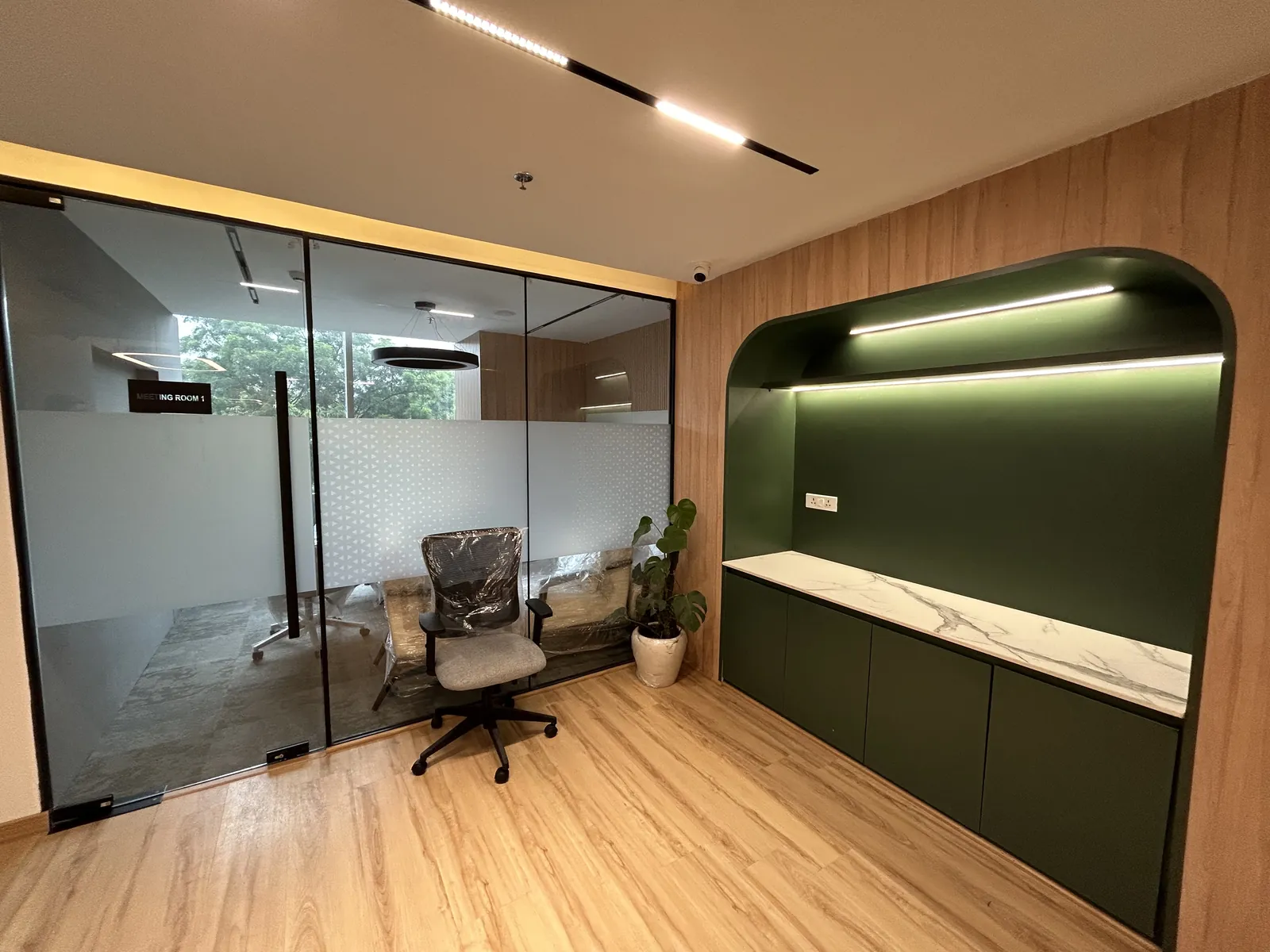
You have moved into the new office and things are starting to show: a hairline crack in a partition, a pantry tap that drips, a door that no longer latches. Whether the contractor fixes it at no cost depends on the defect liability period in your contract. This guide is for admin and facilities heads, CFOs and founders: what the period covers, what it does not, how retention and warranties fit in, and how to log defects so they actually get closed.
This is general information, not legal advice. For a dispute over a specific contract, speak to your lawyer.
What is a defect liability period in an office fit-out?
It is the stretch of time after handover when the contractor stays responsible for defects in what it built. During that window, if something it supplied or installed turns out to be faulty, it comes back and puts it right without charging you.
Three dates matter, and the contract should state each one:
- Start. Usually the date of handover or practical completion, not the date you move in. If handover happened in zones, ask whether each zone has its own start date.
- Length. Commonly six to twelve months for office interiors. Some contracts set a longer period for particular systems, such as waterproofing.
- End. Usually marked by a joint inspection and a written note that all reported defects are closed, after which any retention is released.
The period is not the same as the snag list. Snagging is the inspection just before handover, and the punch list it produces should be closed in the first weeks. The defect liability period exists for problems that only appear once the office is in use: air conditioning under full load, plumbing under daily use, joinery after a few months of opening and closing. Our guide to the office snagging inspection covers the first step.
What does the defect liability period cover, and what does it not?
The test is simple: did the fault come from the contractor’s workmanship or materials, or from something that happened after handover? The exact wording varies, so read the defects clause, but most office fit-out contracts sort issues like this.
| Area | Usually covered (a defect) | Usually not covered |
|---|---|---|
| Walls, partitions and paint | Cracks along gypsum board joints, paint peeling or blistering, uneven finishes that were missed at snagging | Scuffs, marks and dents from furniture, cleaning or people |
| Doors, glass and hardware | Doors that drop or stop latching, door closers that fail early, loose glass channels | Locks forced open, glass broken by impact, hardware damaged by misuse |
| Joinery and furniture installed by the contractor | Laminate or edge banding lifting, drawers misaligned, shutters sagging | Overloading, water spills left standing, normal wear on high-use items |
| Floors and ceilings | Hollow-sounding or cracked tiles, carpet tiles lifting, false ceiling tiles sagging or gaps opening | Stains, damage from moving heavy equipment, ceiling tiles disturbed by other vendors |
| Electrical | Loose terminations, sockets or switches failing, breakers tripping because of an installation fault | Tripping from extra load you added later, faults in equipment you plugged in |
| Air conditioning and plumbing | Condensate drain leaks, poorly sealed duct joints, leaking pantry or washroom joints | Filter cleaning and servicing, blockages from misuse, faults in the base building’s own plant |
Two grey areas cause most arguments. First, design choices you approved are not defects: if a room feels small or a finish is not to your taste, that is a change, not a repair. Second, work by others: if your IT vendor cut into the ceiling or your security vendor drilled a partition, the damage is theirs. Keep a record of which vendors worked in which areas after handover.
How does retention work during the defect liability period?
Retention is money the client holds back from the contract value until defects are dealt with. It gives both sides a clear reason to close the defect log before the period ends. In Indian construction contracts it is often a small percentage of the contract value, sometimes with part released at handover and the rest at the end of the period. Some contractors offer a bank guarantee for the same amount instead of cash retention.
Whatever the arrangement, the contract should say:
- how much is held and in what form;
- what triggers release, usually a joint inspection with all logged defects closed;
- what happens if the contractor does not respond, for example the client may get the defect fixed by others and recover the cost from the retention after written notice.
Retention is a commercial term to agree when you sign, not after handover. Our office fit-out checklist for CFOs lists it with the other terms to settle before work starts, and a complimentary quote comparison shows how each bidder handles defects and handover.
How is a defect liability period different from a manufacturer’s warranty?
They run side by side and cover different things. The contractor’s period covers how the work was done. A manufacturer’s warranty covers the product itself.
| Contractor’s defect liability period | Manufacturer’s warranty | |
|---|---|---|
| Who gives it | The fit-out contractor, under your contract | The maker of the product, such as an AC unit, chair, light fitting or UPS |
| What it covers | Workmanship, installation and materials the contractor supplied | Faults in the product, on the maker’s terms |
| How long | One period for the whole fit-out, set in the contract | Varies by product and maker; some parts carry longer cover than others |
| How to claim | Report to the contractor’s named contact | Through the maker or its service partner, usually with the invoice and serial number |
In practice, report everything to the contractor first during the period. If an AC unit leaks because the drain was badly installed, that is the contractor’s; if its compressor fails, that is usually a warranty claim, and a good contractor will help you raise it. Our guide to office ceiling leaks explains how to trace where the water is coming from. After the period ends, the warranties are what remain, so the warranty cards, invoices and serial numbers in your handover file matter. See what an office handover checklist should contain.
How do you log a defect so it gets fixed?
- Keep one log. A shared sheet with a number, date found, exact location, a photograph, a one-line description and who reported it. Staff report to the admin team, not straight to the site supervisor on WhatsApp.
- Report in writing. Send new items to the contractor’s named contact by email. A call is fine for urgency, but follow it with an email the same day.
- Sort by urgency. Water leaks, electrical faults and anything affecting safety or fire systems need a fast response. Cosmetic items can be batched into a planned visit.
- Agree access. Many repairs are best done after hours or at weekends. Agree the time, the area and whether building permission is needed.
- Close each item with a check. Mark it closed only when someone on your side has seen the repair. Note the date.
- Watch for repeats. A crack that returns or a breaker that trips again points to a cause behind the symptom. Ask for the cause to be found, not the patch repeated.
What should you check before the defect liability period ends?
Book a joint walk-through about a month before the end date, so there is time to fix what it finds. Check:
- every open item in the log, and every item closed in the last few weeks;
- ceilings, walls and window edges for staining, especially after the monsoon;
- air conditioning performance in each zone, ideally after a hot spell when the system has run at full load;
- doors, closers, drawers and shutters in the busiest areas;
- pantry and washroom joints, and under-counter areas for slow leaks;
- distribution boards for any breaker that has tripped more than once.
Record what is found, agree dates, re-check, then sign the closing note and release any retention. If the period ends while items are still open, the contract usually allows the client to keep the related retention until they are closed.
What usually goes wrong with defect liability periods?
- No recorded start date, so nobody knows when the period ends.
- Defects raised by phone only, with no record that they were reported inside the period.
- Retention released at handover because the move-in date arrived, leaving nothing to encourage closure.
- Annual maintenance confused with defects. AC servicing, filter cleaning and UPS battery checks are maintenance, usually under a separate maintenance contract, not defect repairs.
- Too many parties. When the designer, civil contractor, MEP contractor and furniture vendor are separate, each defect starts with a question of whose it is. One design and build contract removes that question; see design and build vs a traditional fit-out.
For other problems that come up before, during and after a fit-out, see office fit-out problems: before, during and after, or browse office problems and solutions. Officea designs and builds offices under one contract from studios in Delhi (Nehru Place), Gurgaon (DLF Grand Mall), Noida (Sector 3) and Bangalore (Residency Road).
Frequently asked questions
What is a defect liability period in an office fit-out?
It is a fixed period after handover, set in the contract, during which the fit-out contractor must return and fix defects in its own workmanship and materials at its own cost. It usually starts at handover or practical completion and ends with a joint inspection and the release of any retention.
How long is a defect liability period for office interiors?
Commonly six to twelve months from handover. Some contracts set longer periods for particular items such as waterproofing. The length is whatever your contract says, so check the defects clause and note the start date in writing.
Is wear and tear covered by the defect liability period?
No. The period covers faults that come from the contractor's workmanship or materials. Normal wear, misuse, accidental damage, damage by other vendors and routine maintenance such as AC servicing are not defects.
What is the difference between a defect liability period and a warranty?
The defect liability period is the contractor's obligation to fix faults in how the work was done. A manufacturer's warranty covers faults in a product, such as an AC unit or a chair, on the maker's terms and for the maker's period, which can run longer than the contractor's period.
Can I hold back money until defects are fixed?
Only as your contract allows. Many fit-out contracts provide for retention, a sum held back from the contract value or covered by a bank guarantee, which is released after the end-of-period inspection once logged defects are closed. Agree the amount and release terms before signing.
What happens if a defect appears after the defect liability period ends?
The contractor's obligation under the defects clause usually ends with the period, but manufacturers' warranties may still apply, and hidden defects can raise separate legal questions. Check the contract and take legal advice for a serious issue.